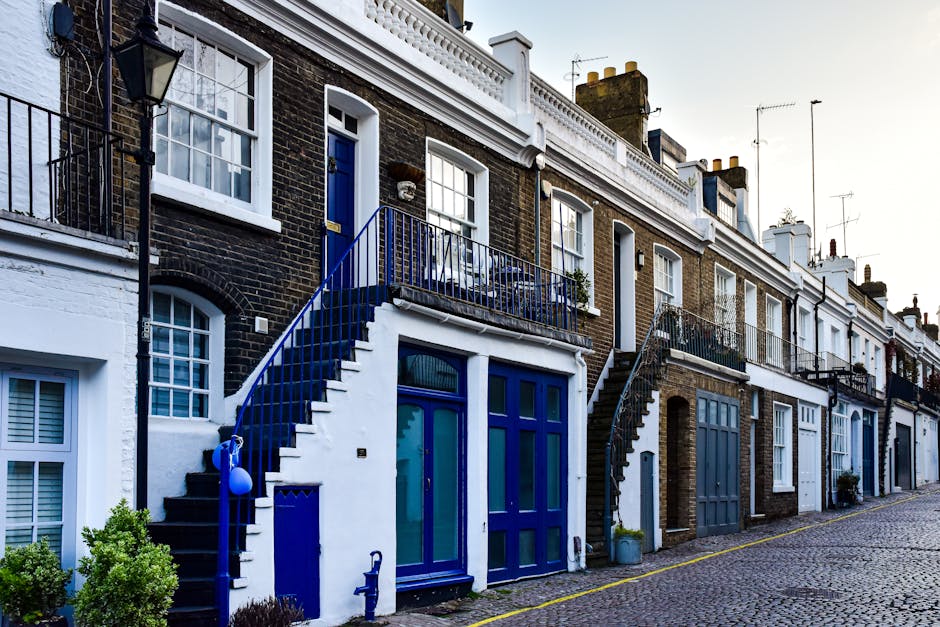
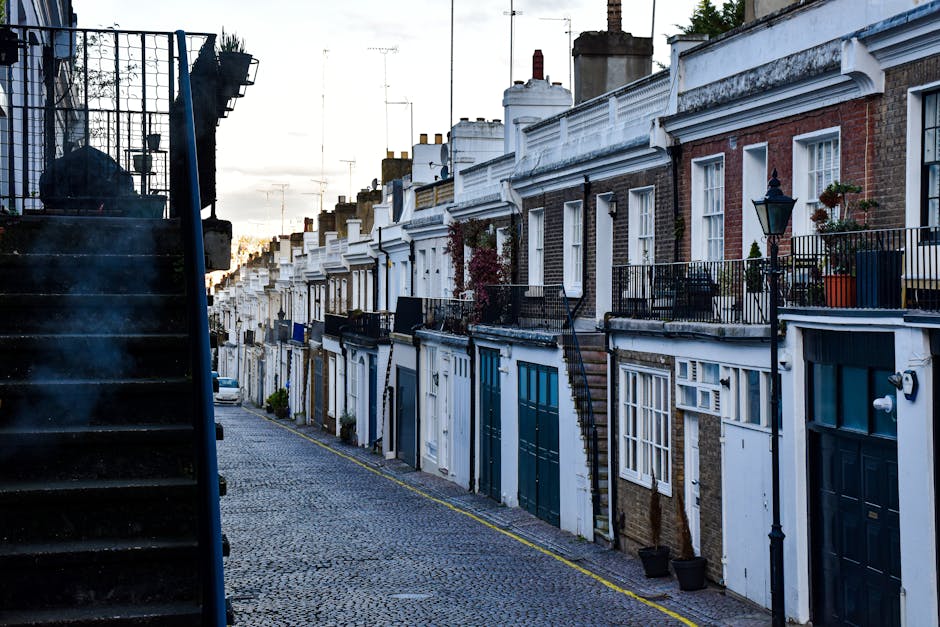
Access issues in Ealing mid terrace removals common problems
Moving out of a mid-terrace in Ealing can look straightforward on paper. Then you meet the real world: tight front paths, shared side access, a steep stairwell, nowhere sensible to park, and a sofa that seemed perfectly normal until it reached the hallway. Access issues in Ealing mid terrace removals common problems are exactly the sort of thing that can turn a calm moving day into a bit of a scramble.
This guide breaks down the common access problems, why they matter, how experienced movers plan around them, and what you can do to make the whole process smoother. If you are moving from a Victorian or Edwardian terrace, especially in busier parts of Ealing, a little local know-how goes a long way. Truth be told, most "moving problems" are really access problems wearing a different coat.
We will cover planning, practical workarounds, compliance, a simple checklist, and the questions people ask most often. The aim is not to overcomplicate things. It is to help you spot the usual pinch points before they start eating time, energy, and patience.
Table of Contents
- Why access issues matter in Ealing mid terrace removals
- How access issues typically affect a move
- Key benefits of planning access properly
- Who this is for and when it makes sense
- Step-by-step guidance
- Expert tips for better results
- Common mistakes to avoid
- Tools, resources and recommendations
- Law, compliance, standards and best practice
- Options, methods and comparison table
- Case study or real-world example
- Practical checklist
- Conclusion
- Frequently asked questions
Why access issues in Ealing mid terrace removals common problems Matters
Mid-terrace homes in Ealing often sit on streets that were never designed for modern vans, especially larger removal vehicles. That is the basic issue. Add narrow frontages, limited curb space, front gardens with steps, and terraced layouts with shared boundaries, and you can see why access becomes the first thing movers worry about.
It matters because access affects almost every part of the job:
- how close the vehicle can park
- how far items must be carried
- how many people are needed
- how long the move will take
- how likely damage or delay becomes
In practical terms, a move that should feel orderly can quickly become a chain of small frustrations. A wardrobe will not turn. The mattress catches on a banister. A neighbour's car is in the way. The van is two doors down. None of this sounds dramatic, but it adds up, and fast.
Key point: access problems are rarely just inconvenient. They usually shape the cost, timing, safety, and stress level of the entire move.
And yes, a good team can work around a lot. But let's face it, nobody wants to discover the awkward stuff when the van is already outside and the kettle has been packed in box 17.
How access issues in Ealing mid terrace removals common problems Works
Most access issues fall into a few predictable categories. Once you know what to look for, the move becomes much easier to plan.
1. Parking and loading distance
The biggest issue is often simple: can the removal vehicle park close enough to the property? If not, the team has to carry everything farther. That affects speed, fatigue, and handling. On a terrace street, even a short walk from the van to the front door can slow things down much more than people expect.
2. Narrow hallways and internal turns
Mid-terrace houses often have tight entrances, compact staircases, and awkward corners. A sofa might fit the room it came from but fail at the bend on the way out. Same with wardrobes, beds, radiators, desks, and large appliances. It is a classic removal headache.
3. Shared or obstructed frontage
Terrace layouts can mean shared paths, narrow front gardens, low walls, railings, bins, and family bikes tucked into the only clear space. If the front area is not properly cleared, moving large items becomes slower and riskier. The smell of damp boxes, a bit of rain on the step, and suddenly everything feels twice as awkward.
4. Stairs and upper-floor challenges
Many Ealing terraces have steep internal stairs, sometimes with a tight landing or low ceiling at the top. That creates a real handling issue for larger furniture. It is not just about strength. It is about angle, timing, and coordination.
5. Timing pressure
If keys are delayed, parking is busy, or the access route is blocked, the whole day compresses. A small delay in a terrace move can ripple through every later stage. That is why early planning matters so much.
Experienced movers tend to assess the route in three parts: street access, doorway access, and internal access. If one part is weak, the whole move needs adjusting.
Key Benefits and Practical Advantages
When access is planned properly, the benefits are very real. You notice them quickly, usually by the fact that the move just feels less chaotic.
- Less delay: short loading distances and clear routes save time.
- Lower risk of damage: fewer awkward lifts mean fewer bumps, scrapes, and knocked corners.
- Better crew efficiency: the team can work in a rhythm instead of constantly stopping and rethinking the route.
- Less stress for you: you are not having to make last-minute decisions while boxes are everywhere.
- More accurate planning: access details help with van choice, team size, and time estimates.
There is also a quieter benefit: confidence. You stop wondering whether the fridge will fit, or whether the van will be stuck half a street away. That matters more than people think.
If you are comparing moving support options, it can be useful to look at general removal services alongside more flexible options such as man and van support for tighter access. The right choice depends on the property, not just the volume of belongings.
Who This Is For and When It Makes Sense
This guidance is especially useful if you are moving from or to a mid-terrace in Ealing and any of these apply:
- you have a narrow driveway or no driveway at all
- parking outside the property is tight or heavily used
- your furniture includes bulky items like sofas, wardrobes, or a large bed frame
- the staircase is steep, curved, or boxed in
- you live near busier roads, schools, or station areas where stopping space is limited
- you are moving at a busy time of day, month, or week
It also makes sense for landlords, tenants, and homeowners who are trying to avoid complaints from neighbours or problems with shared access. Mid-terrace streets can be friendly, but they can also become tense when a van blocks the line of parked cars. Nobody enjoys that little standoff.
In some cases, a smaller vehicle or split-load plan works better than a big van. In others, using man with van removal support is the smarter choice because it gives you more flexibility around parking and loading.
Step-by-Step Guidance
Here is a practical way to handle access planning for a mid-terrace move in Ealing. Nothing fancy. Just the stuff that tends to make the difference.
- Walk the route from the street to the rooms. Do this before moving day if you can. Notice doors, corners, stairs, railings, and anything that sticks out.
- Measure the awkward items. Sofa width, mattress length, wardrobe height, fridge depth. A tape measure saves embarrassment later.
- Check parking options early. Think about where a van can stop safely and legally, and whether loading might need to happen in stages.
- Clear the front area. Move bins, bikes, plant pots, shoe racks, and anything else that blocks the path. Small detail, big difference.
- Tell the movers about the tricky bits. Mention steep steps, low ceilings, shared entrances, or a neighbour's wall that narrows the turn.
- Decide what should be dismantled. Bed frames, table legs, and some wardrobes are far easier to move in pieces.
- Protect the route. Use floor covering, corner protection, and clear packing around the main access path.
- Plan for timing slack. If your key handover or parking is uncertain, build in extra time instead of pretending everything will be perfect. It rarely is.
A small but important point: don't leave all the "we'll sort it on the day" thinking until moving morning. That approach sounds relaxed right up until someone is trying to carry a double mattress through a half-open hallway door.
Expert Tips for Better Results
Here are the practical lessons that often help most on Ealing terrace moves. These are the things a good crew usually notices very quickly.
- Use the best entrance, not the most obvious one. Sometimes the front door is not the easiest route. A side return, back gate, or alternate route can be better if available.
- Keep one person free for access control. Someone should be watching doors, holding space, and managing the route. It sounds basic because it is basic.
- Take apart more than you think you need to. That extra ten minutes with a screwdriver can save twenty minutes of wrestling later.
- Protect walls and bannisters early. Not after the first scrape. Before. Always before.
- Move small cars if possible. If your own vehicle blocks part of the frontage, shifting it the day before can open up valuable space.
- Prepare for weather. Wet steps and cardboard do not get along. Neither do damp gloves and polished flooring.
A useful rule of thumb: if an item takes two people to carry, it probably needs a clearer route than you think. That sounds obvious, but move day has a way of disguising the obvious.
If you are still deciding on the type of help you need, browsing removal companies and comparing them with more localised removals near me options can help you match the service to the access conditions, not just the postcode.
Common Mistakes to Avoid
Most access problems become bigger because of a few very ordinary mistakes. Nothing dramatic. Just the sort of things people forget when there is a lot going on.
- Underestimating parking pressure. Assuming the van will "just fit" is risky in terrace streets.
- Not measuring furniture. A guess is not a plan. Not really.
- Forgetting about internal corners. The hallway may be the real bottleneck, not the front door.
- Leaving clutter at the entrance. Even a couple of boxes near the step can slow the whole operation.
- Booking the wrong vehicle size. A larger van is not always better if access is tight.
- Failing to tell movers about shared access. Shared paths, rear lanes, and limited turning space should be mentioned early.
- Ignoring neighbour considerations. A courteous heads-up can avoid friction, especially if the van may be stopping across driveways.
One more, and this catches people out all the time: assuming large furniture can be forced through because it made it into the house once. The way in and the way out are often very different. Different enough to be annoying, anyway.
Tools, Resources and Recommendations
You do not need a truck full of specialist kit for every mid-terrace move, but a few practical tools make access issues much easier to manage.
| Tool or resource | Why it helps | Best used for |
|---|---|---|
| Tape measure | Confirms whether furniture will fit through doors, stairs, and corners | Planning bulky item movement |
| Furniture blankets | Helps protect against scrapes on tight internal routes | Sofas, tables, cabinets |
| Door or corner protectors | Reduces damage on narrow turns | Hallways and stairwells |
| Disassembly tools | Makes oversized items easier to move | Beds, wardrobes, desks |
| Strong packing tape and labels | Keeps boxes secure and routes organised | General loading and unloading |
| Local move planning | Helps anticipate street layout and traffic patterns | Busy Ealing streets and terrace parking |
If your move includes bulky household items that are not travelling with you, services such as furniture pick up can sometimes help reduce what needs to pass through narrow access points on the day. That can be a very handy simplifier, honestly.
For people moving within the area, it may also help to review broader home moves support and, where relevant, a more flexible moving van option if the access is too tight for a larger vehicle.
Law, Compliance, Standards and Best Practice
Access planning is not only about convenience. There are practical obligations and good-practice points to keep in mind, especially on residential streets in London.
First, vehicles should be parked and loaded safely and legally. That means checking local restrictions, avoiding blocked driveways, and not assuming a quick stop is harmless just because everyone is "only ten minutes." In reality, that ten minutes can become an issue quickly if the street is busy.
Second, removals should be carried out with attention to health and safety. Safe lifting, clear routes, and suitable handling for heavy or awkward items are standard expectations. Good movers will usually think about manual handling, trip hazards, wet surfaces, and the condition of steps or floors before the work starts.
Third, insurance matters. Accidents can happen even with careful planning, especially when access is tight. It is sensible to understand what cover is in place for items, property, and handling risks. If you want a clearer overview, review the company's insurance and safety information and make sure you are comfortable with the level of protection offered.
You may also want to check general business terms and payment details in advance so there are no surprises. For many customers, that small bit of admin avoids awkward questions on moving day. Not glamorous, but useful. Very useful.
Best practice in a terrace move is simple: plan access early, communicate clearly, and do not push people, furniture, or vehicles into awkward positions just to save a minute. That is where small accidents start.
Options, Methods, or Comparison Table
Different access conditions call for different moving approaches. Here is a simple comparison that may help you choose the right method for a mid-terrace move in Ealing.
| Method | Best for | Pros | Trade-offs |
|---|---|---|---|
| Full removal team | Larger moves, many items, multiple rooms | More hands, faster loading, better for heavy furniture | May need more parking space and a clearer route |
| Man and van | Smaller or medium moves, tighter streets | Flexible, often easier to fit around limited access | May take longer for larger volumes |
| Split-load approach | Moves with access constraints or time pressure | Reduces congestion and can suit awkward streets | Needs more coordination and timing discipline |
| Partial dismantling | Bulky furniture in narrow terraces | Makes turning corners much easier | Requires tools and a bit of prep work |
There is no one-size-fits-all answer here. A larger team is not automatically best, and a smaller vehicle is not always enough. The trick is matching the method to the property. That sounds simple because, in theory, it is.
Case Study or Real-World Example
Imagine a typical mid-terrace in Ealing with a narrow frontage, street parking that fills early, and a large sofa, a double wardrobe, and a bed frame to move out. The first instinct might be to book a standard van and hope for the best. But then the wardrobe meets the hallway turn, and the van is parked two houses away. Suddenly the move is slower than expected.
A better plan would look more like this: measure the wardrobe and sofa before move day, dismantle what can be dismantled, clear the entrance path the night before, and check where a vehicle can stop without causing disruption. If parking is likely to be limited, a more flexible vehicle setup may be the sensible choice. A good mover will also look at the route inside the property and decide whether two-person carrying or extra packing protection is needed.
The difference is not dramatic at first glance. It is the difference between a fairly calm morning and one where everyone starts huffing before lunch. And nobody wants that. Not really.
In this sort of real-world scenario, the work does not become easier because the property is old or the street is busy. It becomes easier because the plan is honest about those limits from the start.
Practical Checklist
Use this checklist before moving day. If you can tick most of it off, you are in a much better place.
- Measure large furniture and key doorways
- Check staircase width and any tight turns
- Identify where the van can park safely
- Clear the front path and entrance area
- Remove bikes, bins, and clutter from access points
- Tell the movers about steep steps or shared entrances
- Decide what should be dismantled in advance
- Protect floors, walls, and corners
- Confirm insurance and safety arrangements
- Keep keys, documents, and essentials separate from the moving load
- Plan for delays, just in case parking or keys are not perfectly timed
Expert summary: the most common access issues in Ealing mid-terrace removals are not mysterious. They are usually a combination of parking, narrow routes, bulky furniture, and poor preparation. If you solve those four things early, the rest becomes much more manageable.
Conclusion
Access issues in Ealing mid terrace removals common problems are manageable, but only if you plan for them before moving day. That means measuring properly, understanding street and hallway limits, choosing the right moving method, and being realistic about timing. A terrace move does not need to be stressful. It just needs a little more forethought than people sometimes expect.
If you are comparing options, start with the property layout, then choose the service to suit it. That simple shift in thinking can save time, reduce damage risk, and make the day feel far more controlled. And honestly, controlled is a lovely word on move day.
Get a free quote today and see how much you can save.
When the route is clear and the plan makes sense, even a tricky terrace move can feel surprisingly calm. A bit of care goes a long way.
Frequently Asked Questions
What are the most common access problems in Ealing mid terrace removals?
The most common issues are limited parking, narrow frontages, tight hallways, awkward stair turns, and bulky furniture that does not move easily through older terrace layouts.
How do I know if my furniture will fit out of a mid-terrace house?
Measure the furniture, the doorway, the hallway width, and any stairs or corners. If one of those areas is tight, dismantling the item may be the safer option.
Is a man and van better than a larger removal vehicle for terrace access?
Often, yes, if parking or street width is limited. A smaller vehicle can be easier to position close to the property, though the right choice still depends on how much you are moving.
Should I tell the movers about parking problems in advance?
Absolutely. Early notice helps the team choose the right vehicle, plan loading time, and avoid last-minute stress. It is one of the easiest ways to improve the whole move.
Do mid-terrace moves take longer because of access issues?
They often do, especially if the van cannot park close to the property or furniture has to be taken apart. Good preparation can shorten the delay quite a bit.
What should I clear before the removals team arrives?
Clear the front path, steps, hallway, and any area around the main exit. Move bins, bikes, planters, shoe racks, and anything else that could block the route.
Can access issues increase the cost of a move?
They can, because more time, more labour, or a different vehicle may be needed. The exact impact depends on how awkward the access is and how much preparation has been done.
What if the sofa will not fit through the hallway?
Try removing legs, cushions, or detachable sections first. If it still will not fit, the item may need to be moved in pieces or taken through a different route if one exists.
Are terrace house moves in Ealing usually more difficult than flat moves?
Not always, but they can be if the property has narrow stairs, limited parking, and a lot of bulky furniture. Flats have their own problems, of course, but terrace access can be tricky in a very specific way.
What is the best way to reduce damage risk on moving day?
Keep routes clear, protect corners and floors, dismantle awkward furniture, and avoid forcing large items through tight spaces. A little patience here really does save repairs later.
Do I need to do anything about neighbours before a terrace move?
If the van may affect shared parking or front access, it is sensible to give neighbours a quick heads-up. A small bit of courtesy can prevent a lot of irritation.
Where can I find more information about the company and moving support?
You can review the company background on the about us page and explore the wider removals page for general moving support details.